
Signs Your Shower Tiles Need Replacing
The warning signs of a failing shower, from grout that keeps going mouldy to water turning up where it shouldn't.
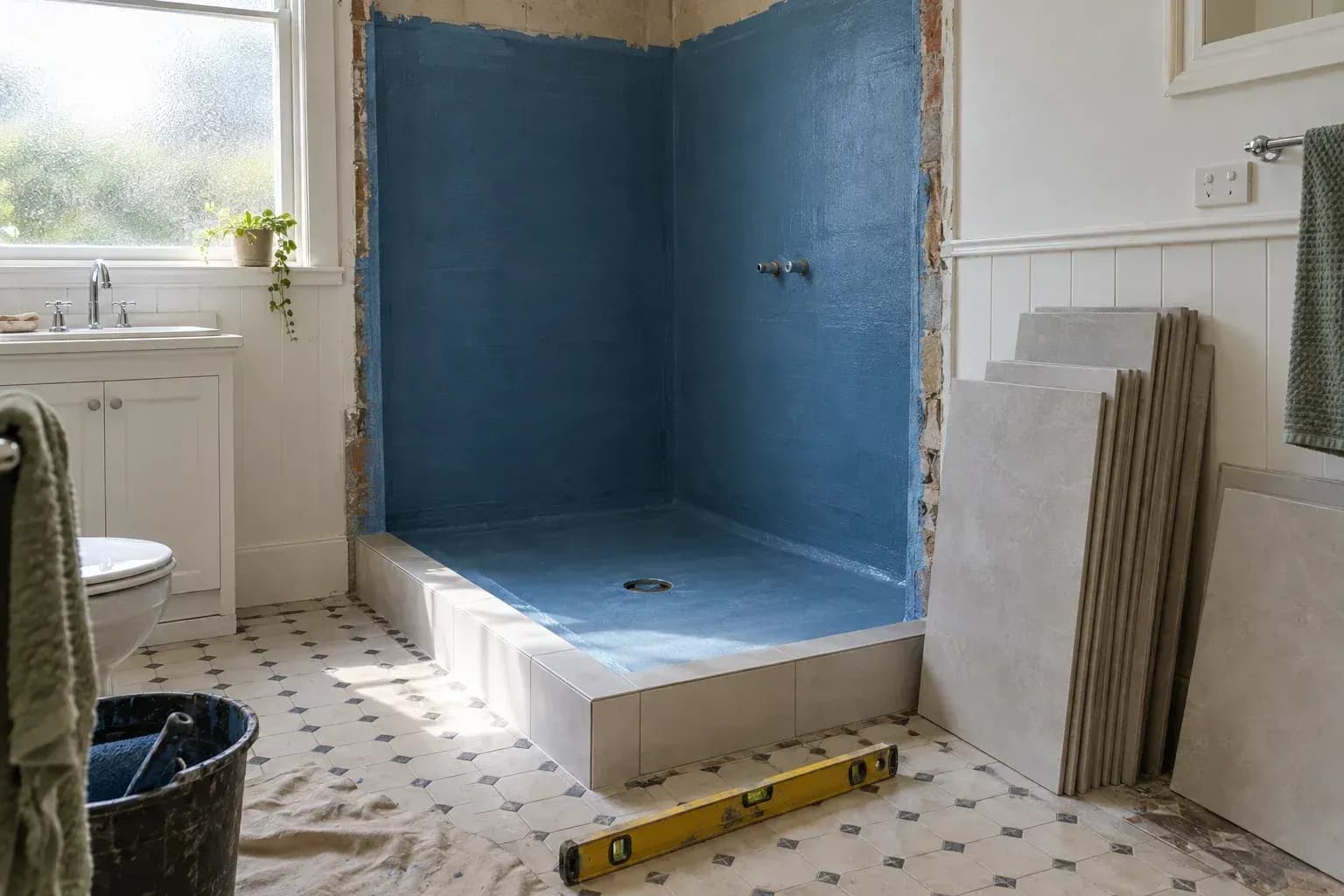
It's rarely just the tiles
By the time a shower looks tired, there's often something going on behind the tiles that's been building for a while. We've seen this first-hand: Joel once pulled up a shower base that had been leaking into the hallway, and underneath was rotten timber that had been soaking up water for ages. The tiles themselves were the last thing to show a problem.
Signs worth paying attention to
Grout that keeps coming back dirty or mouldy. Regrouting can sort this if the problem is just the grout. But if it keeps happening in the same spot no matter how often you clean it, water may be getting in behind the tile.
Silicone that's cracked, gone black, or pulled away from the wall. This is one of the first places water finds its way through. Redoing the silicone joints is a small job on its own, but worth acting on before it becomes a bigger one.
Tiles that sound hollow when tapped. A dull, hollow sound usually means the tile has come away from the base underneath it. On its own it's not an emergency, but it's a sign the fixing underneath has failed.
Water showing up outside the shower. Damp patches on the hallway carpet, a musty smell near the bathroom, or discoloured skirting boards nearby are signs water is getting past the shower base, not just the tiles.
Movement in the floor near the shower. If the floor feels slightly spongy or you notice the grout cracking along the same line repeatedly, the substrate may have deteriorated.
The shower base doesn't drain properly. Water pooling instead of running to the waste often means the fall was never right to begin with, which is a common issue in older re-tiles done without checking the base first.
What actually gets fixed
When a shower's failing underneath, the fix isn't to tile over the top and hope. It means pulling the base up, checking the substrate, and rebuilding with a proper fall to the waste before any new tile goes on. That's the only way the dry patch actually stays dry.
If your shower's showing any of these signs, it's worth getting someone to look at what's happening underneath rather than just regrouting and hoping. Callum and Joel cover Essendon and the surrounding suburbs, and will tell you straight if it's a simple regrout or something more.
Found this useful?
Let's help with your next project.
Get in touch and tell us about your project.
Get in touchKeep reading
All posts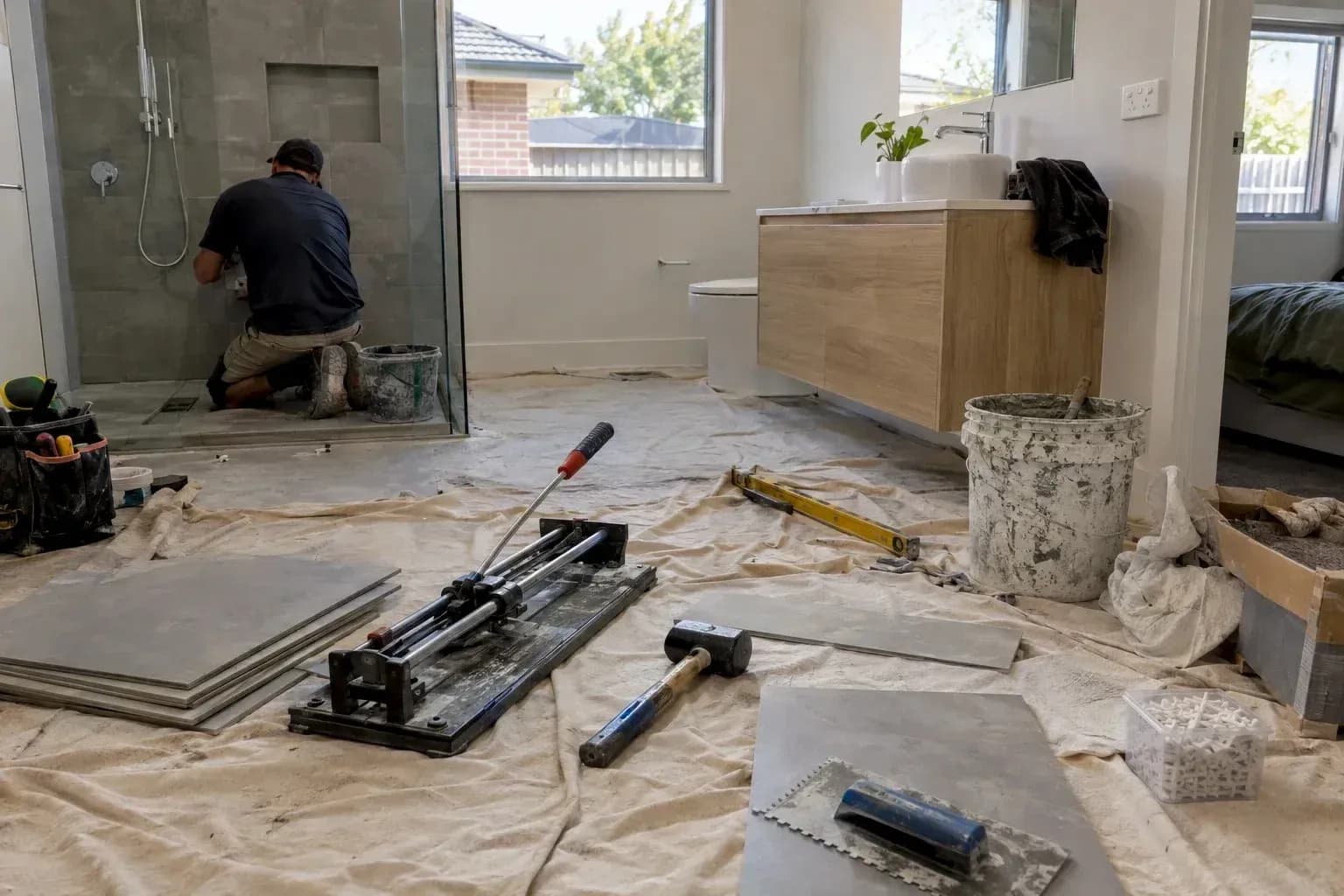
Preparing Your Bathroom and Outdoor Tiles for Winter in Melbourne
How Essendon homes with older bathrooms and porches can get tiled areas ready before Melbourne's cool, wet winter sets in.
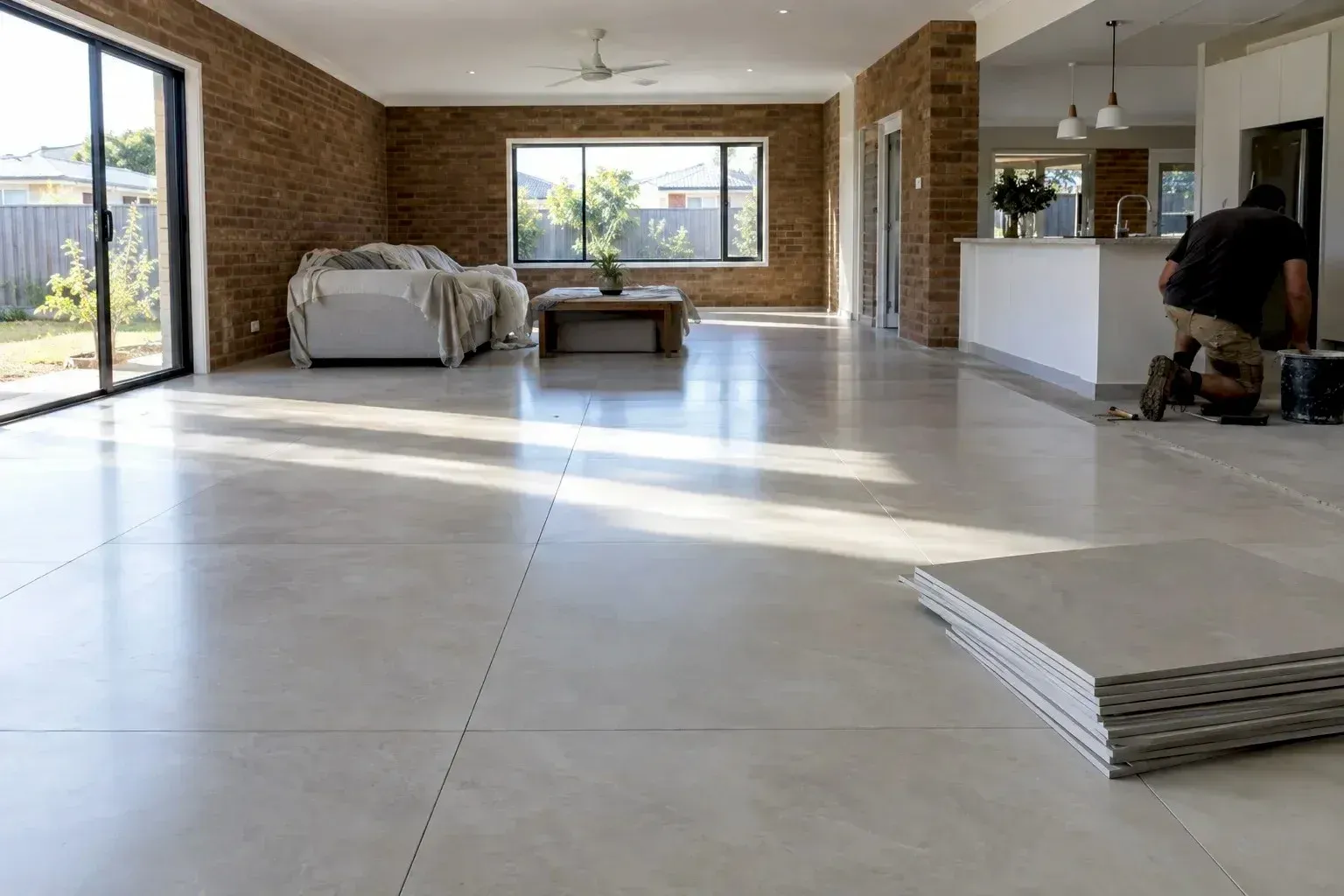
What Is Floor Levelling and When Do You Need It?
Floor levelling explained: what it involves, how to spot a floor that needs it, and why skipping it shows up later in the tiles.
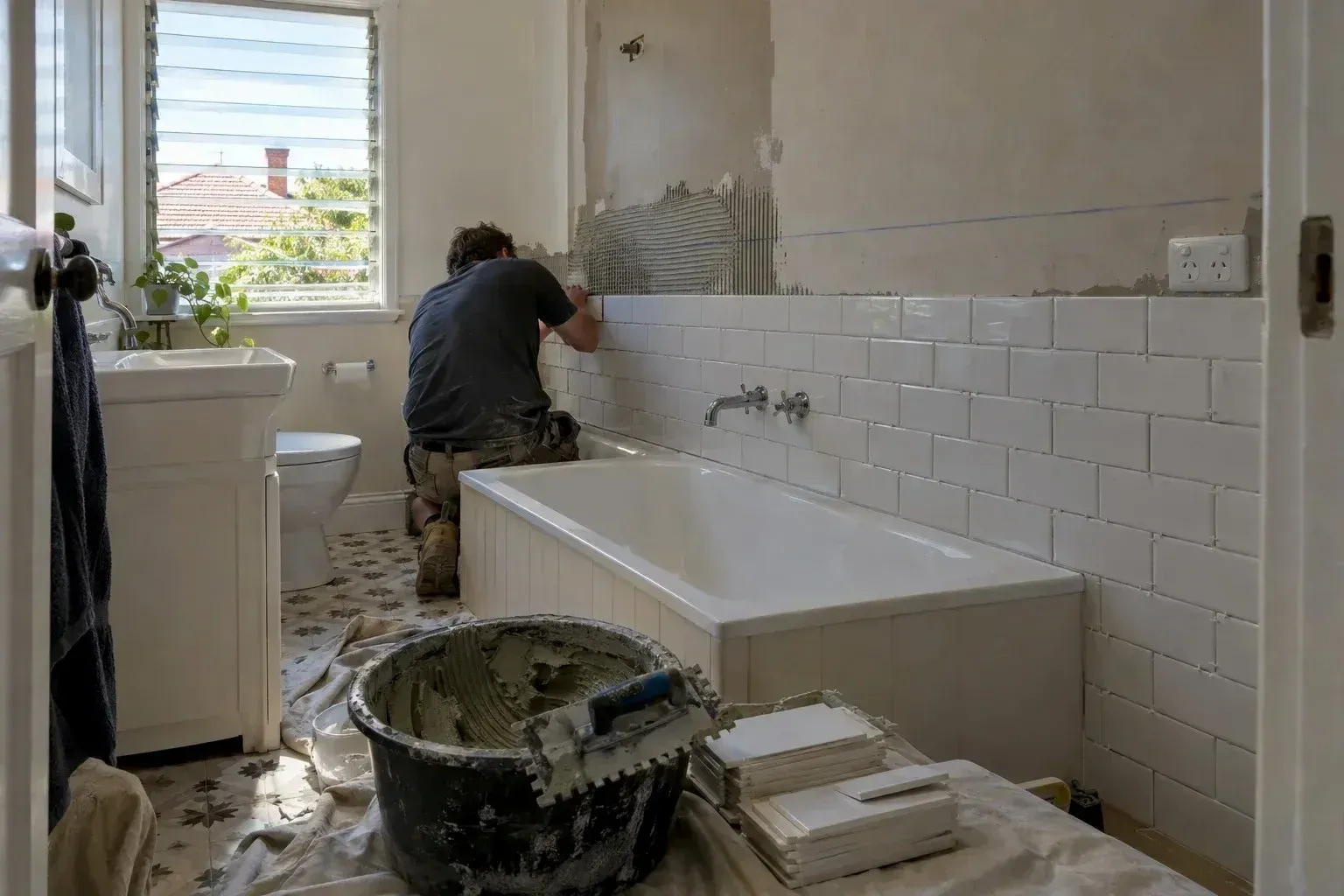
How Much Does Bathroom Tiling Cost in Essendon?
What actually drives the price of a bathroom re-tile in Essendon's older homes, and why the quote should wait until the room's been seen.