
What Is Floor Levelling and When Do You Need It?
Floor levelling explained: what it involves, how to spot a floor that needs it, and why skipping it shows up later in the tiles.
What floor levelling actually means
Floor levelling is the process of correcting dips, slopes or uneven patches in a floor before new tiles go down. It usually involves a self-levelling compound poured over the existing surface, or in some cases building up low spots with a screed, so the finished floor is flat before any tile is laid.
It's a step that happens before the fun part. There's no new tile visible at the end of a levelling job, just a flat, even surface. But it's the difference between a floor that looks right for years and one where the problem comes straight back through the new tiles.
How to tell if your floor needs it
A few signs worth checking before a tiling job starts:
A visible dip or low spot, especially near doorways, back doors or where a floor meets an extension.
A spirit level or straight edge rocking when laid across the floor in different directions.
Old tiles that were laid unevenly, with lippage (one tile edge higher than the next) that you can feel underfoot.
Water pooling in one spot after mopping, rather than drying evenly across the room.
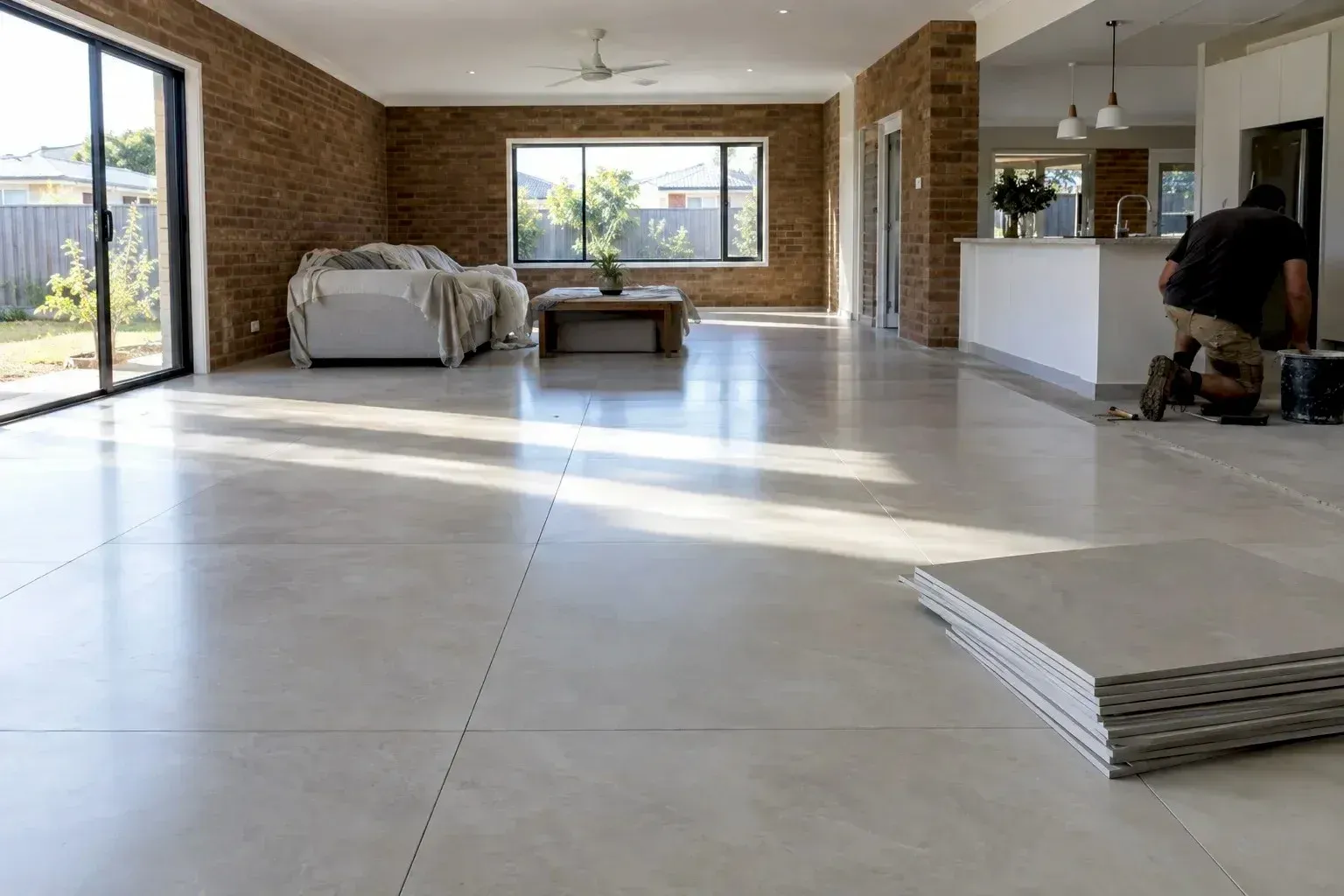
One of our jobs involved big porcelain tiles through a living room and hallway where the floor had a dip near the back door. Rather than tiling straight over it, the floor was levelled first, so the finished result sits flat all the way through instead of dipping in the same spot the old floor did.
Why it matters more with large-format tiles
</br>Large porcelain tiles don't flex the way smaller tiles do. Laid over an uneven floor, a big tile will rock, crack at the corners, or show visible lippage between tiles. Levelling the substrate first means the tile sits flat and stays that way, rather than telegraphing every dip in the floor underneath.
When it's worth raising with your tiler
If you're planning a large-format floor, a laundry, or any room where you've noticed a slope or dip, it's worth asking whether levelling is needed before tiling starts. It adds a step to the job, but it's the difference between a floor that's flat on day one and one that still has the same old problem, just covered up.
Callum and Joel check the floor as part of quoting any floor tiling job in Essendon and the surrounding suburbs, and will tell you upfront if levelling is part of what's needed.
Found this useful?
Let's help with your next project.
Get in touch and tell us about your project.
Get in touchKeep reading
All posts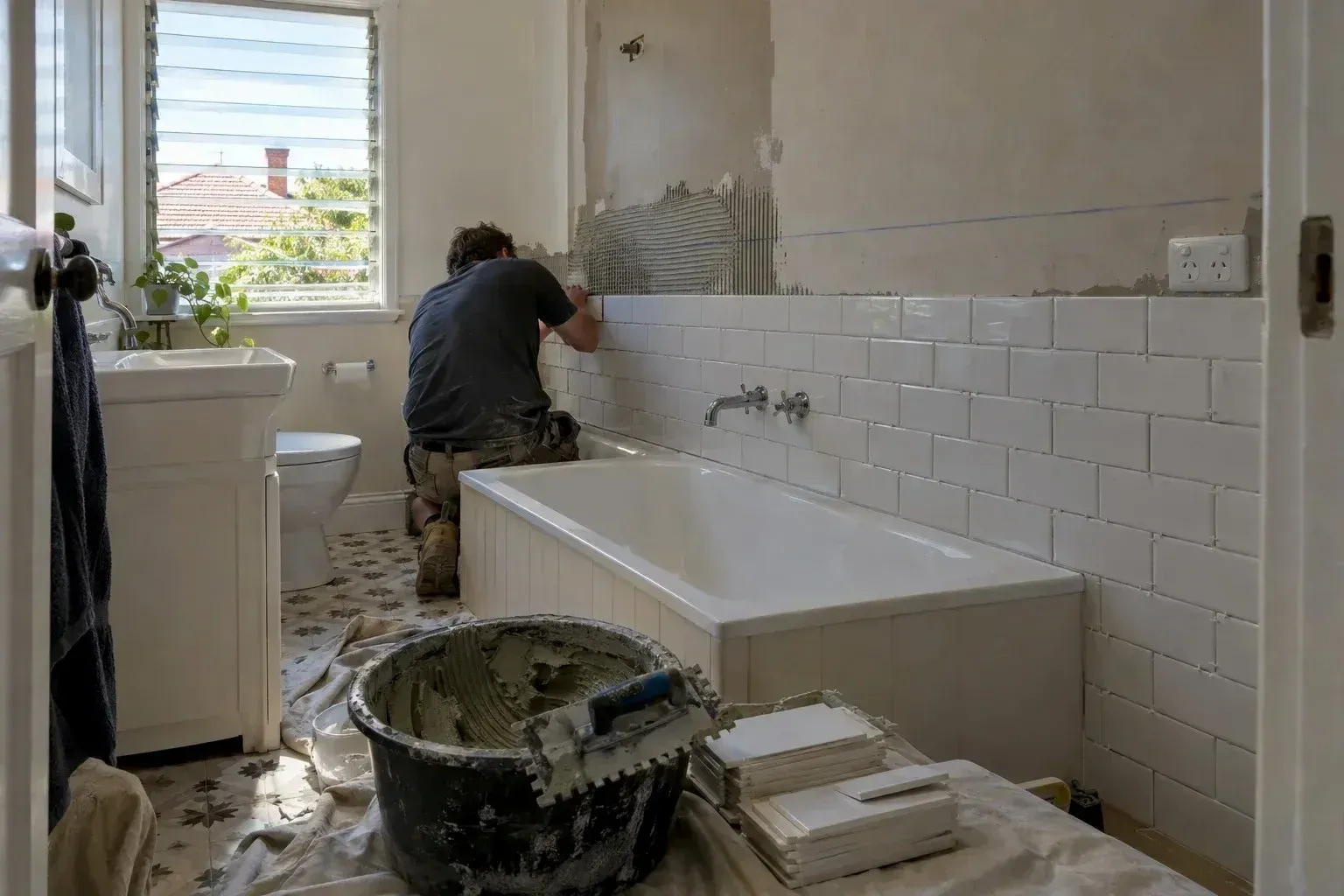
How Much Does Bathroom Tiling Cost in Essendon?
What actually drives the price of a bathroom re-tile in Essendon's older homes, and why the quote should wait until the room's been seen.
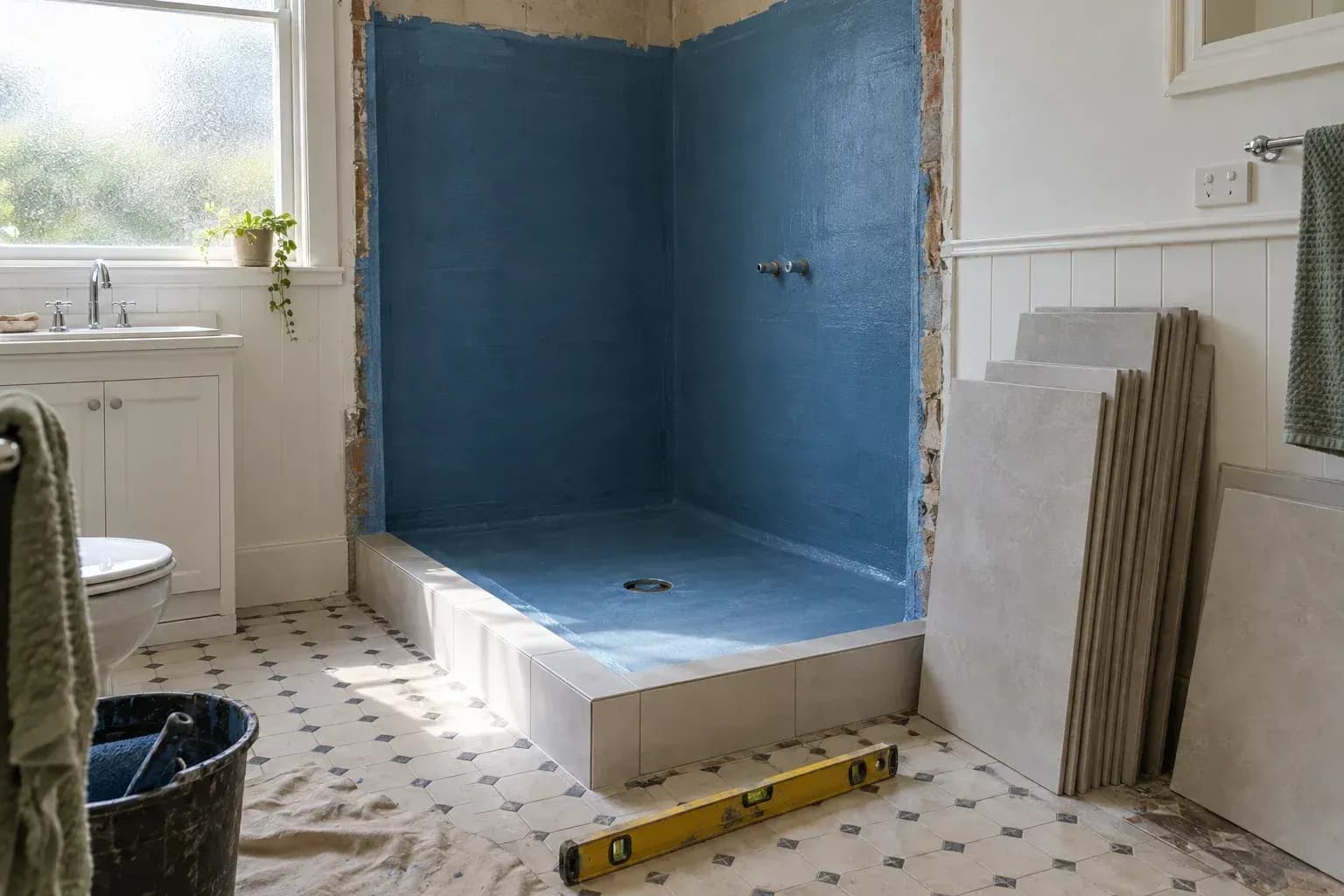
Signs Your Shower Tiles Need Replacing
The warning signs of a failing shower, from grout that keeps going mouldy to water turning up where it shouldn't.
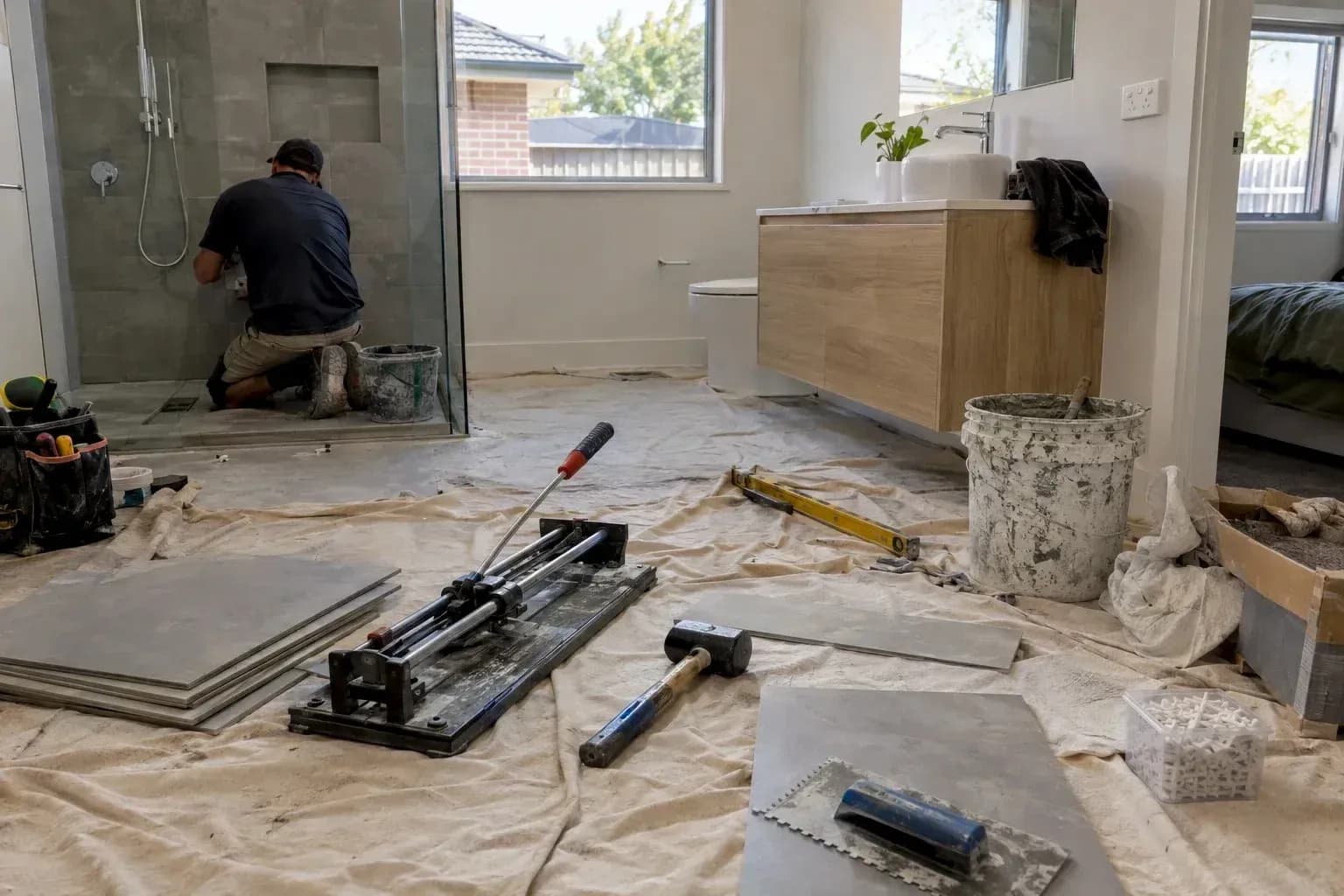
Preparing Your Bathroom and Outdoor Tiles for Winter in Melbourne
How Essendon homes with older bathrooms and porches can get tiled areas ready before Melbourne's cool, wet winter sets in.